Water Well Drilling in Bloomington, IN
Building on rural land or replacing a failing well? Get connected with a water well contractor who drills in Monroe County rock.
Call (317) 798-0634Get a Free Well Quote
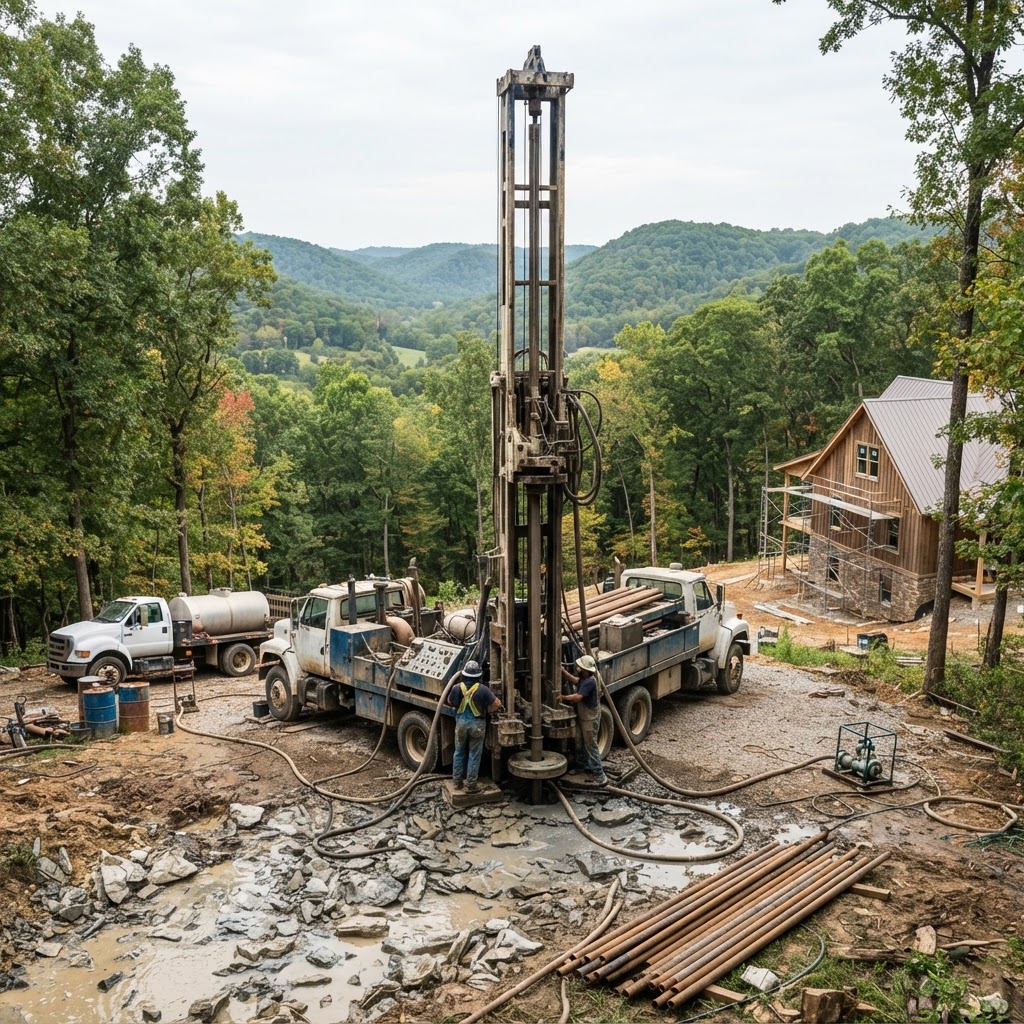
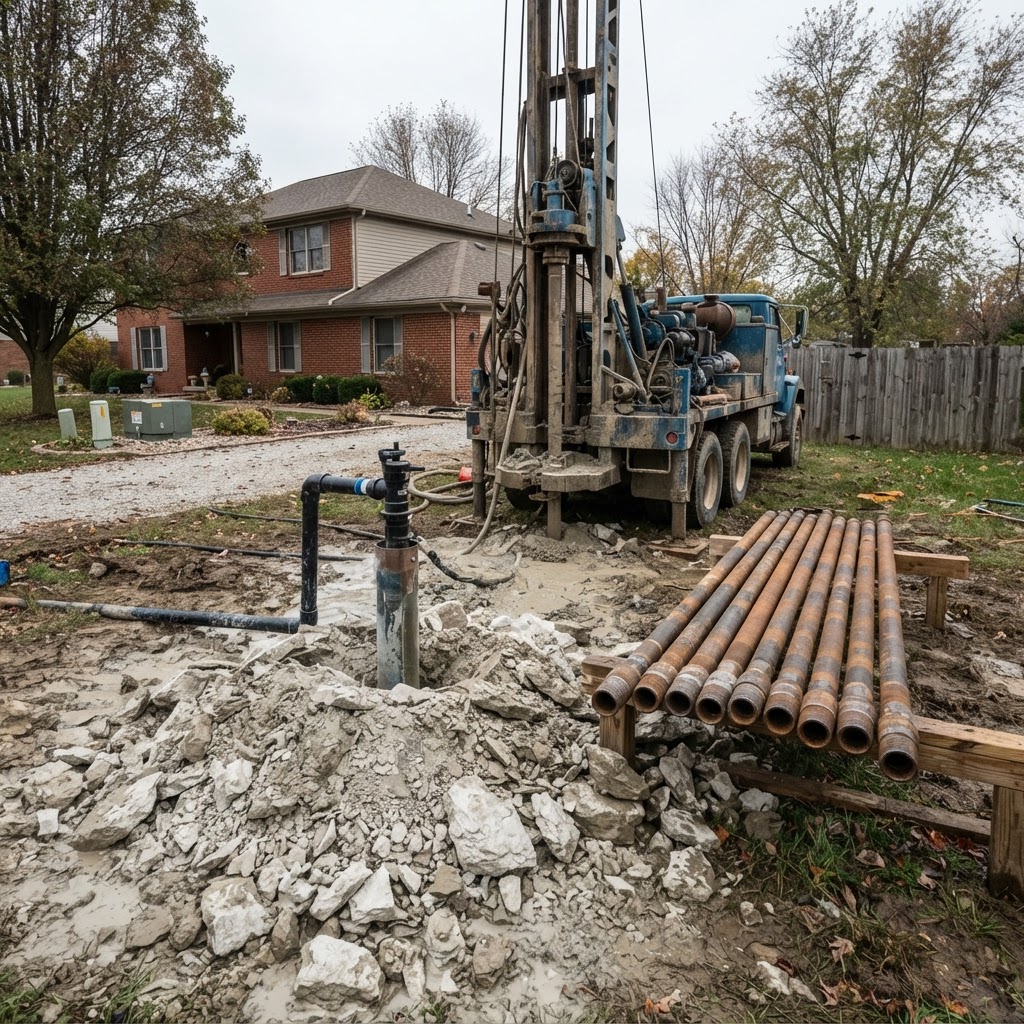
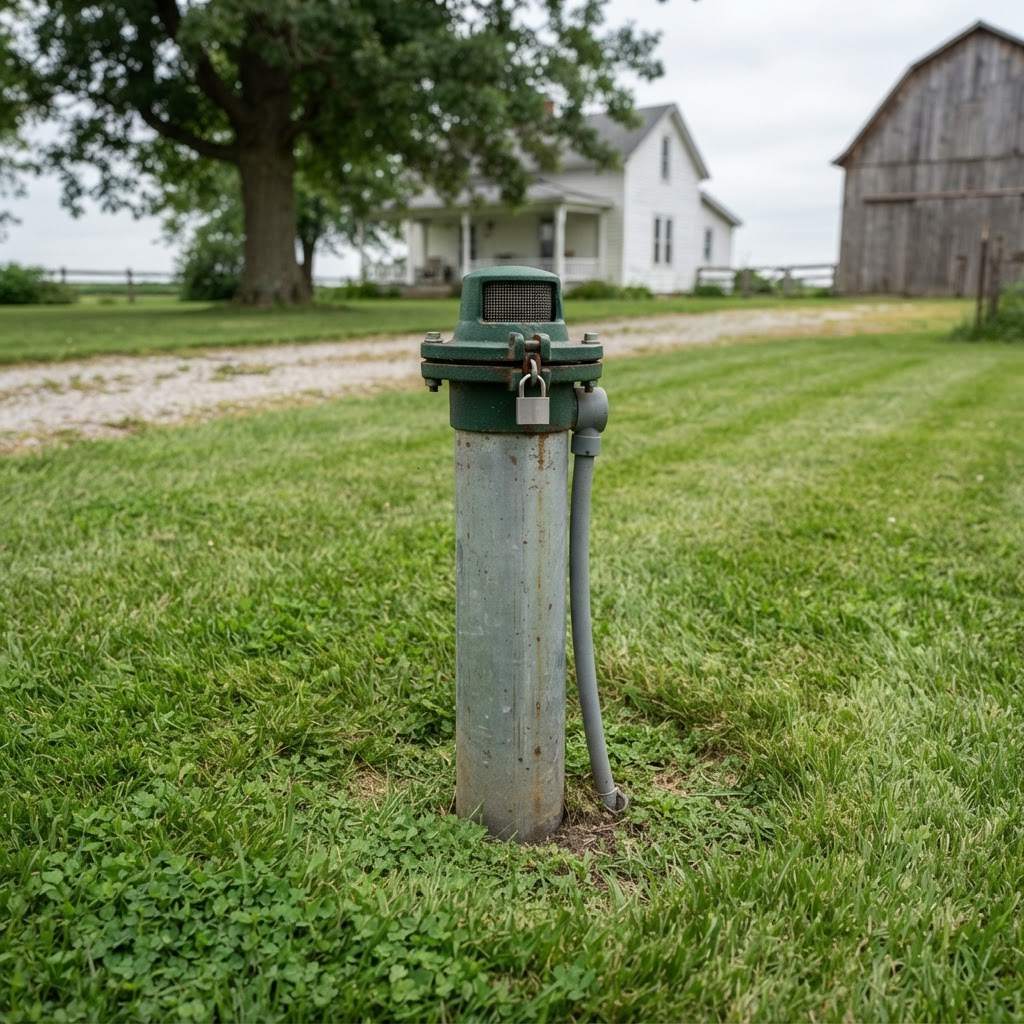
A new well is usually a once-in-a-generation purchase, so it pays to understand the process before the rig shows up. This page covers how water well drilling generally works around Bloomington, what Indiana requires, and what to ask the contractor. When you're ready, call (317) 798-0634 or send the form and we'll pass your project to an independent well contractor serving the area.
When You Need a New Well
- New construction on a lot or acreage without city water. Lenders and building departments generally expect a working water supply before a house is finished.
- A failing older well. Very low yield, a collapsed or cracked casing, sand or sediment that never clears, or an old shallow or hand-dug well that keeps testing positive for bacteria.
- A second water source for a barn, livestock, a shop, a garden or irrigation.
- A dry hole from an earlier attempt that didn't hit enough water.
How Water Well Drilling Usually Works
1. Site visit and siting
The contractor looks at where the house, septic system, driveway and any outbuildings are (or will be). Indiana requires that surface water drain away from the finished well and that the well be located as far as practical from contamination sources such as septic systems. For new septic systems, the Indiana Department of Health rule cited by IDNR requires a septic tank or absorption field at least 50 feet from a domestic water well. Access for the rig matters too, so steep or wooded lots may limit where the well can go.
2. Checking nearby wells
A good contractor knows what wells nearby have hit. You can look too: IDNR's Water Well Record Database has records for over 400,000 Indiana wells, including depth, static water level and the rock layers encountered. Nearby records won't promise what your well will do, but they show what's typical.
3. Drilling
Around Bloomington, many wells go through a few feet of soil and clay and then into bedrock. The driller keeps going until the well reaches a water-bearing zone that yields enough water for the intended use. In limestone country, water often comes from fractures and openings in the rock, which is why depth and yield can vary between neighboring lots.
4. Casing and grouting
IDNR's construction standards (Indiana Code 25-39 and rule 312 IAC 13) call for at least 25 feet of casing at least 2 inches in diameter, with a possible variance where bedrock is close to the surface. The space between the casing and the borehole has to be grouted with watertight material, typically bentonite clay or neat cement, so surface water can't run down the outside of the casing. The finished casing has to stick up at least one foot above ground.
5. Yield test and pump setup
The driller tests how much water the well produces. Then the pump, drop pipe, wiring, pitless adapter and pressure tank are installed so water gets to the house. IDNR's rules say submersible pumps should be set deep enough to allow for drawdown (25 feet in sand-and-gravel wells, 50 feet in bedrock wells) plus seasonal changes.
6. Well record and water test
Within 30 days of finishing, the driller must send a well record to the IDNR Division of Water. Ask for your copy. Then have the water tested before the family drinks it. See well inspection and water testing.
How Long Does It Take?
Drilling itself often takes one to a few days depending on depth and rock, according to HomeGuide's general guidance, and the full job (drilling, pump, electrical, testing) can stretch longer. Scheduling, weather and ground conditions after heavy rain can add time. Ask the contractor for a realistic start date if you're working against a building schedule.
What Affects the Price
Depth is the biggest factor, because most drillers charge per foot. Rock type, casing material and length, the pump and pressure tank, the distance from the well to the house (trenching, pipe and wire), and access all matter. Our well drilling cost guide has national ranges from HomeGuide. Treat them as a starting point only; your quote depends on your property.
Geothermal Wells
Some well drillers also drill vertical boreholes for geothermal (ground-source) heat pump loops. That's a different job from a drinking-water well: the borehole holds a closed loop of pipe instead of a pump. If you're planning a geothermal system, choose "Geothermal well" on the form. We'll ask whether the contractor we work with takes geothermal drilling, and your HVAC installer should be part of the plan.
Questions to Ask Before You Sign
- What's your Indiana license information, and who will run the rig?
- How do you charge: per foot, flat rate, or a combination? What's included (casing, grout, pump, tank, wiring, trenching)?
- What happens and what do I pay if the hole is dry or low-yield?
- What casing do you use, and how deep do you expect to case?
- Will you give me a copy of the well record you file with IDNR?
- Who restores the yard and driveway after drilling?
- What warranty comes with the pump and the work?
IDNR itself recommends a signed contract that covers the charge per foot, materials, dry holes and damage caused by drilling.
Frequently Asked Questions
Planning a new well? Call (317) 798-0634 or send the form and a well contractor serving Bloomington will be in touch.
Related: Well Drilling Cost · Well Pump Repair · Water Testing · Home