Well Inspection & Water Testing in Bloomington, IN
Buying, selling or just overdue for a check? Get the well and the water looked at before closing day or before the next problem.
Call (317) 798-0634Get a Free Well Quote
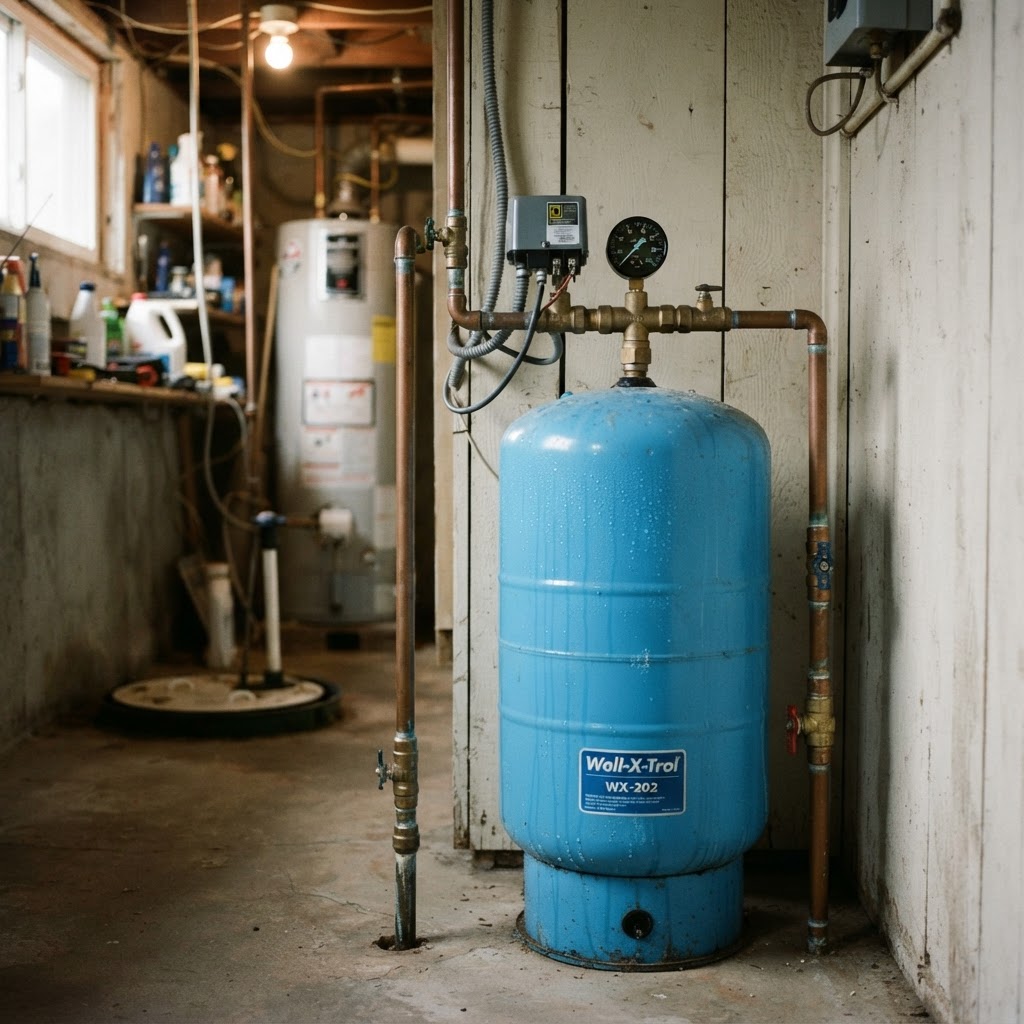
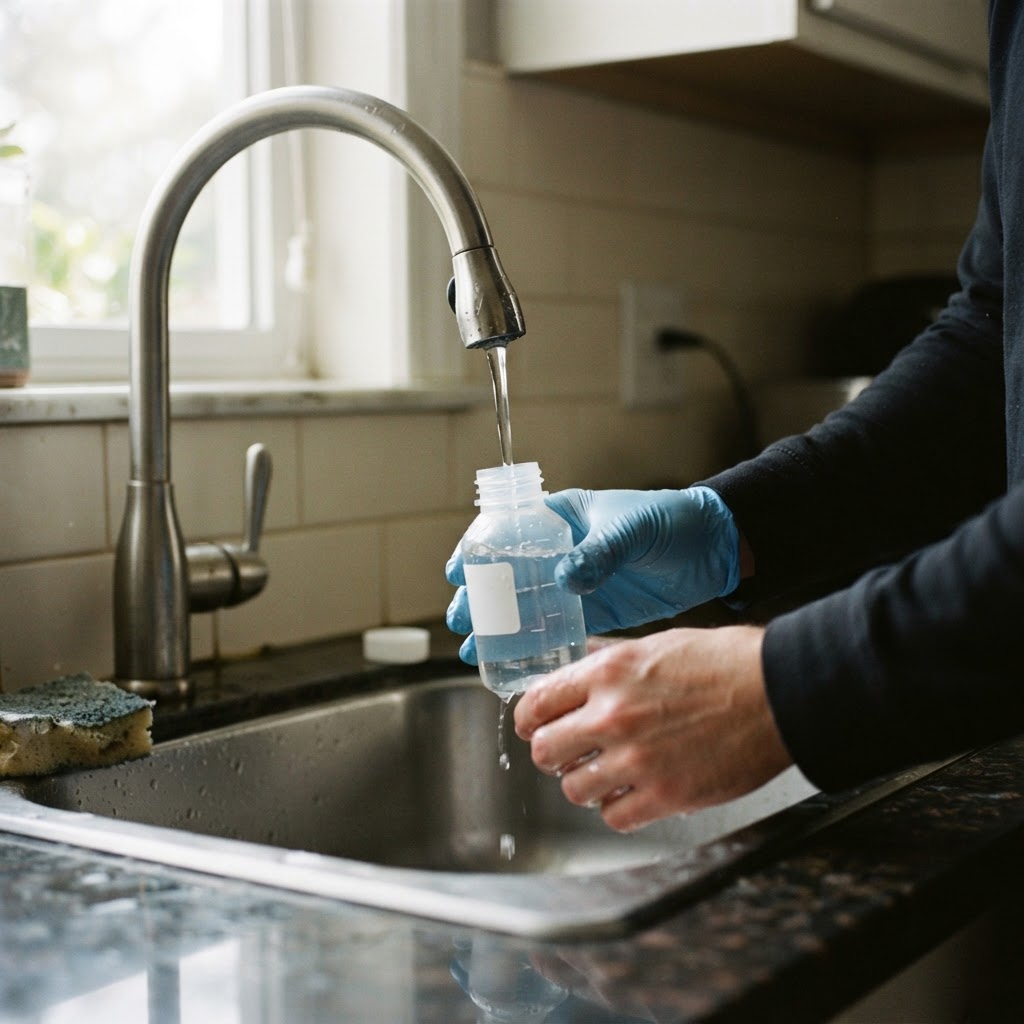
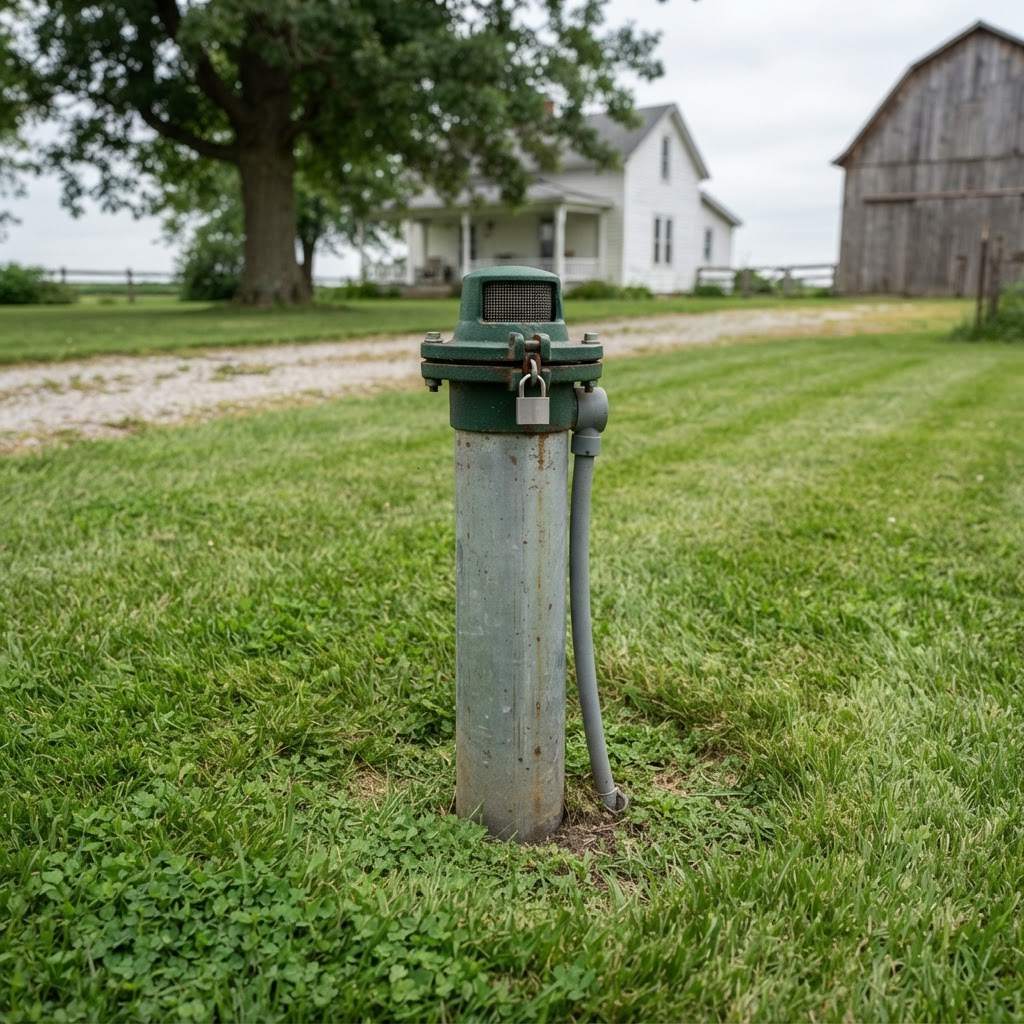
Private well water isn't regulated the way city water is. The Indiana Department of Health says plainly that private wells are not regulated by IDEM or the EPA and that well owners are responsible for their own water safety. That's why inspections and testing matter, especially when a home with a well changes hands. Call (317) 798-0634 or send the form, and we'll connect you with an independent well contractor serving Bloomington and Monroe County.
Well Inspection vs. Water Testing
They're related but not the same:
- A well inspection looks at the system: the well cap and casing, the pump's performance, the pressure tank and switch, flow and pressure at the house, and visible problems like surface water draining toward the well.
- A water test checks the water itself in a lab, for things like coliform bacteria, E. coli and nitrate, and sometimes metals or other contaminants.
For a home sale, you usually want both. Check what your lender, agent or purchase contract asks for.
What a Well Inspection Typically Covers
Every contractor's checklist is a little different, but expect some combination of:
- Locating the well and checking the cap, casing height and condition, and drainage around it. IDNR notes that wells installed since 1988 generally have a casing or pitless adapter sticking up at least a foot above ground.
- Running water to check flow rate and how the pump and pressure tank behave over time.
- Checking the pressure switch, gauge and tank air charge.
- Looking for leaks, unusual noise or short cycling.
- Asking for, or looking up, the IDNR well record (depth, yield test, construction).
- Collecting water samples for a certified lab, if testing is part of the job.
What Water Tests to Ask For
The Indiana Department of Health well water page recommends that private well water be tested every year for bacteria and nitrate, and at least every five years for fluoride, arsenic, lead and copper, or whenever major maintenance is done. If any result comes back elevated, IDOH recommends additional testing. IDOH's well water quality page also suggests contacting a certified drinking water laboratory to learn the right sampling method and costs.
Reasons to test sooner:
- A new well, a pump replacement or any work that opened the well.
- Flooding near the wellhead.
- A change in taste, smell, color or cloudiness.
- A baby, pregnancy or someone with a weakened immune system in the house.
- Buying or selling the property.
Local Testing Options in Monroe County
According to the Monroe County Health Department's water testing page, testing for coliform bacteria in drinking water is done by the City of Bloomington's Dillman Road treatment plant lab, which offers bacteria testing on private well water. Sample bottles can be picked up there and samples dropped off during posted hours; check the county page for current details. The IDOH lab in Indianapolis also sells test kits for private well owners.
A well contractor can collect samples as part of an inspection and send them to a certified lab, which is often easiest when you're on a closing deadline.
Smells, Stains and Cloudy Water
- Rotten-egg smell is often linked to hydrogen sulfide or sulfur bacteria and is common in some wells.
- Orange or brown stains often point to iron; black stains can mean manganese.
- Cloudy or gritty water can come from sediment, a pump set too close to the water level or casing problems.
- Hard water leaves scale on fixtures and appliances.
A lab test tells you what's actually there before you buy treatment equipment. If you're interested in treatment such as filters, softeners or disinfection, mention it on the form; some well contractors install treatment systems and some don't.
If the Water Fails
A positive bacteria result usually means the contractor looks for the cause (a bad cap, cracked casing, surface water getting in) and fixes it, then disinfects the well, often with shock chlorination, and the water is retested. High nitrate or other contaminants may call for treatment, a different water source or a deeper well. Note that IDNR does not investigate contamination; the IDNR FAQ refers contamination concerns to IDEM's Office of Water Quality.
What It Might Cost
HomeGuide's national guide puts a well inspection at about $250 to $550, a combined well and septic inspection at $400 to $650, and well water testing at $100 to $350, depending on what's tested. IDOH lists its own lab fees for individual tests for private well owners (see the IDOH page for current prices; shipping is extra). Prices vary, so confirm with the contractor or lab. More in the cost guide.
Frequently Asked Questions
Closing soon or worried about your water? Call (317) 798-0634 or send the form with your closing date.
Related: Home · Well Pump Repair · Well Abandonment · Cost Guide